Components
The components sector refers to the production of individual parts or systems that are integrated into larger products. The diversity and complexity of the components sector mean that regulations must address various factors, including safety, quality, environmental impact, and intellectual property rights.
The components sector plays a critical role in the global economy, encompassing a wide range of industries that produce essential parts and systems for various applications, including automotive, electronics, aerospace, and industrial machinery. As globalization accelerates and supply chains become increasingly complex, the need for effective global regulation in the components sector is more crucial than ever.
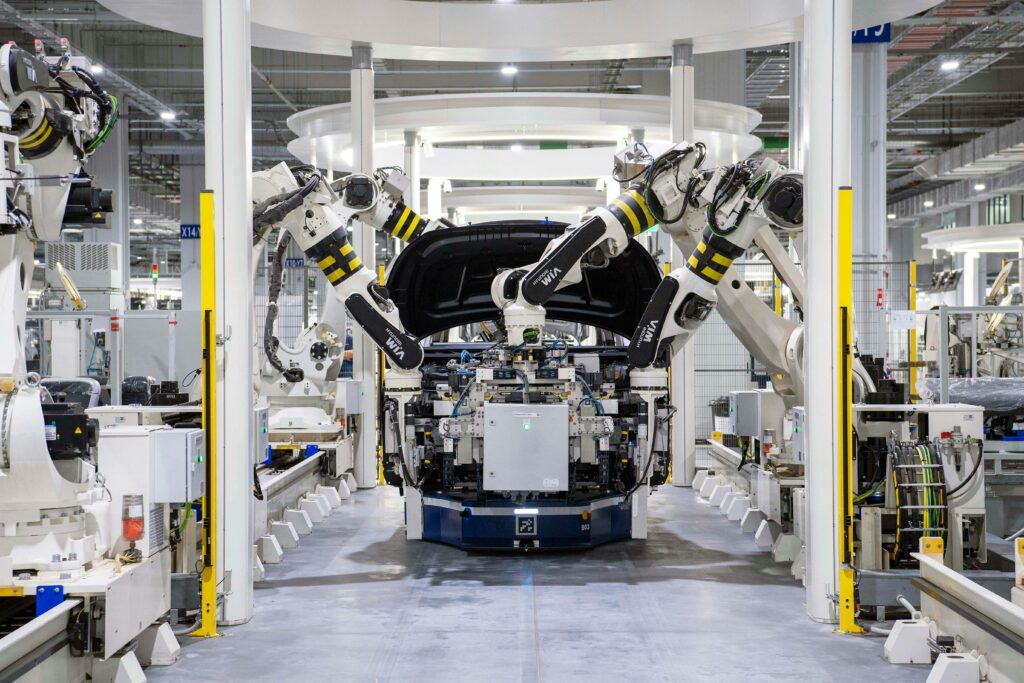
The components sector refers to the production of individual parts or systems that are integrated into larger products. This sector includes manufacturers of:
- Automotive Parts: Such as engines, transmissions, and brake systems.
- Electronics Components: Including semiconductors, capacitors, and circuit boards.
- Aerospace Components: Like turbines, landing gear, and avionics.
- Industrial Components: Such as bearings, gears, and conveyor systems.
The diversity and complexity of the components sector mean that regulations must address various factors, including safety, quality, environmental impact, and intellectual property rights.
The Importance of Global Regulation
Ensuring Quality and Safety
Quality and safety are paramount in the components sector, especially in industries such as automotive and aerospace, where failures can lead to catastrophic consequences. Global regulations help establish standardized safety protocols and quality assurance practices. This is particularly important for multinational companies that source components from various countries, ensuring consistency across different regions.
Facilitating Trade
Global regulation can significantly streamline trade by reducing barriers and promoting fair competition. Harmonized standards allow manufacturers to comply with regulations in multiple countries, simplifying the export process. This is particularly beneficial for small and medium-sized enterprises (SMEs) that may lack the resources to navigate complex regulatory landscapes.
Protecting Intellectual Property
Regulations play a vital role in safeguarding intellectual property (IP) within the components sector. As technology evolves, the risk of IP theft and counterfeiting increases. Robust regulatory frameworks help protect innovations and foster a competitive environment that encourages research and development.
Several international organizations play a vital role in developing safety standards for components:
- International Organization for Standardization (ISO): ISO creates a wide range of safety standards applicable across various industries. ISO 9001, for example, focuses on quality management systems, ensuring that organizations meet customer and regulatory requirements consistently.
- International Electrotechnical Commission (IEC): The IEC develops standards specifically for electrical and electronic components, addressing safety, performance, and environmental impact. Compliance with IEC standards is often a prerequisite for market access in many countries.
- Society of Automotive Engineers (SAE): In the automotive sector, the SAE provides guidelines and standards for automotive components, ensuring they meet safety and performance criteria.
Regional Regulations
In addition to international standards, many countries have specific regulatory bodies responsible for component safety:
- U.S. Federal Regulations: In the United States, the National Highway Traffic Safety Administration (NHTSA) oversees automotive components, while the Food and Drug Administration (FDA) regulates medical device components. These agencies enforce compliance through rigorous testing and certification processes.
- European Union (EU) Regulations: The EU has stringent regulations, such as the Machinery Directive and the Low Voltage Directive, which mandate safety requirements for components used in machinery and electrical devices. Compliance with the CE marking ensures that products meet EU safety standards.
Newsletter
- New Standard regulation
- New EMC Testing Capabilities
- New Machinery Regulation
- New Approach
- One Stop Solution
Solutions
- Global Market Access
- CE Marking
- NR-12 Compliance
- Field Evaluation Services
- SONCAP Certification
- Australia & NewZealand compliance
- Onsite Testing
- Product Safety Testing
- Environmental testing
- Wireless Device EMC Testing and Certification