

Purpose of the Machinery Directive
The purpose of the Machinery Directive is to ensure that machinery sold in the EU is safe for its intended use and does not pose a risk to the health and safety of workers or the public. The directive requires that machinery is designed, manufactured, and installed in accordance with specific safety requirements, and that manufacturers provide information to ensure that the machinery is used safely.
Machinery Directive Assessment
To comply with the Machinery Directive, manufacturers must undertake a risk assessment and take appropriate measures to eliminate or minimize the risks associated with their machinery. This may include the use of safety devices, interlocking systems, emergency stop devices, and other safety measures.
Machinery Directive Requirements
The Machinery Directive also requires that machinery is CE marked to indicate that it complies with the directive's requirements. The CE mark is a symbol that is placed on the machinery to demonstrate that it has been independently tested and verified to meet the necessary requirements.

Machinery Directive Health and Safety
The Machinery Directive is a key piece of legislation in the EU that helps to ensure a high level of health and safety protection for workers and the public. It helps to create a level playing field for manufacturers operating within the EU and provides assurance to consumers and regulators that machinery is safe and suitable for use.

Directive Apply
This directive applies to all types of machinery, including those used in industry, agriculture, and consumer applications. The Machinery Directive is a framework directive that provides the basic requirements for machinery safety, but does not provide detailed technical specifications. The necessary applicable harmonized standards shall be used to comply the safety requirements of the machines used in different segments
machinery products covered under the Machinery Directive 2006/42/EC include
1. Agricultural and forestry machinery
2. Food and beverage processing machinery
3. Textile machinery
4. Construction machinery
5. Printing and paper processing machinery
6. Woodworking machinery
7. Plastic and rubber processing machinery
8. Metalworking machinery
9. Machine tools
10. Packaging machinery
11. Power presses and forging machinery
12. Conveying and handling machinery
13. Machines for use in mines and quarries
14. Machinery for use in nuclear facilities
2. Food and beverage processing machinery
3. Textile machinery
4. Construction machinery
5. Printing and paper processing machinery
6. Woodworking machinery
7. Plastic and rubber processing machinery
8. Metalworking machinery
9. Machine tools
10. Packaging machinery
11. Power presses and forging machinery
12. Conveying and handling machinery
13. Machines for use in mines and quarries
14. Machinery for use in nuclear facilities
Other Machinery Products
This list is not exhaustive and there may be other machinery products that are covered under the Machinery Directive 2006/42/EC. The directive applies to products that are intended to be put into service, whether they are new or used. The directive also applies to machinery that is manufactured in the EU, as well as machinery that is imported into the EU from other countries.

Machinery and Requires Manufacturers
The Machinery Directive 2006/42/EC establishes safety requirements for machinery and requires manufacturers to demonstrate that their products meet these requirements. The directive requires that machinery be designed and constructed in such a way that it does not pose a risk to the health and safety of users or other people who may be affected by its use. The directive also requires manufacturers to provide users with appropriate instructions for the safe use and maintenance of machinery.

Safety and Health Requirements
All the above listed example of the machineries are subject to the Machinery Directive 2006/42/EC and must comply with the relevant safety and health requirements in order to bear the CE marking and be sold in the European Economic Area (EEA). The Machinery Directive applies to a wide range of machinery.
Risk Assessment
In order to ensure CE compliance, manufacturers of all such machineries must carry out a risk assessment and design their products in accordance with the relevant safety and health requirements. This includes implementing protective measures to minimize the risk of injury to the operator or other persons and ensuring that the machinery is designed, manufactured, and tested in such a way that it meets the essential health and safety requirements set out in the Machinery Directive.
Other EU Directives
In addition to the Machinery Directive, machineries may also be subject to other EU directives, such as the Low Voltage Directive and the Electromagnetic Compatibility Directive, depending on the type of machinery and the electrical and electronic components used.
Manufacturers
It is important for manufacturers to work with experienced and knowledgeable compliance consultants/ Notified Body’s Authorized Representative who can help them navigate the complex CE certification process and ensure that their products meet all the necessary requirements.
Risk-based approach
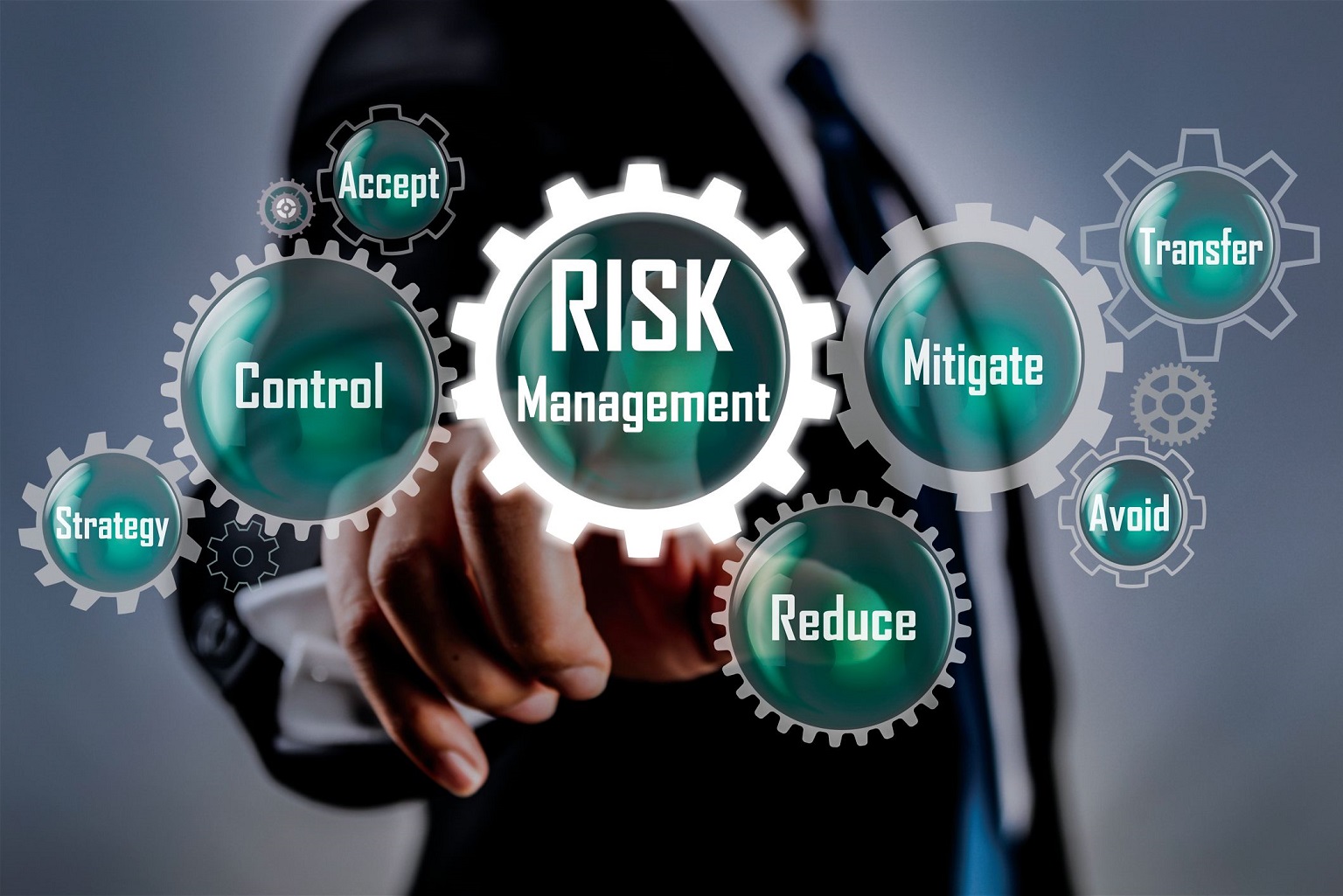
The New Machinery Regulations provide a more risk-based approach to machinery safety, taking into account the intended use of the machinery and the potential harm that it could cause. The Machinery Directive 2006/42/EC had a more prescriptive approach, with a focus on specific safety requirements and safety components.

Technical harmonization
The New Machinery Regulations provide a more harmonized approach to machinery safety, making it easier for manufacturers to comply with EU safety requirements. This includes the harmonization of technical standards and the simplification of the compliance process.

Scope of application
The New Machinery Regulations apply to all machinery, regardless of whether it is new or existing. The Machinery Directive 2006/42/EC only applied to new machinery.

Improved safety features
The New Machinery Regulations require machinery to be equipped with improved safety features, such as automatic stop devices and safety-related control systems.

Technical documentation
The manufacturer must prepare technical documentation that outlines the design and construction of the machinery, and provides evidence of how the machinery meets the essential health and safety requirements of the Machinery Directive.

Type examination
For machinery with a higher risk level, the manufacturer must submit the technical documentation to a notified body for type examination. This involves a detailed evaluation of the machinery to ensure that it meets the requirements of the Machinery Directive.

Conformity to type
For machinery that has passed the type examination, the manufacturer must demonstrate conformity to type by carrying out appropriate tests and inspections and applying the CE marking to the machinery.
Production quality assurance
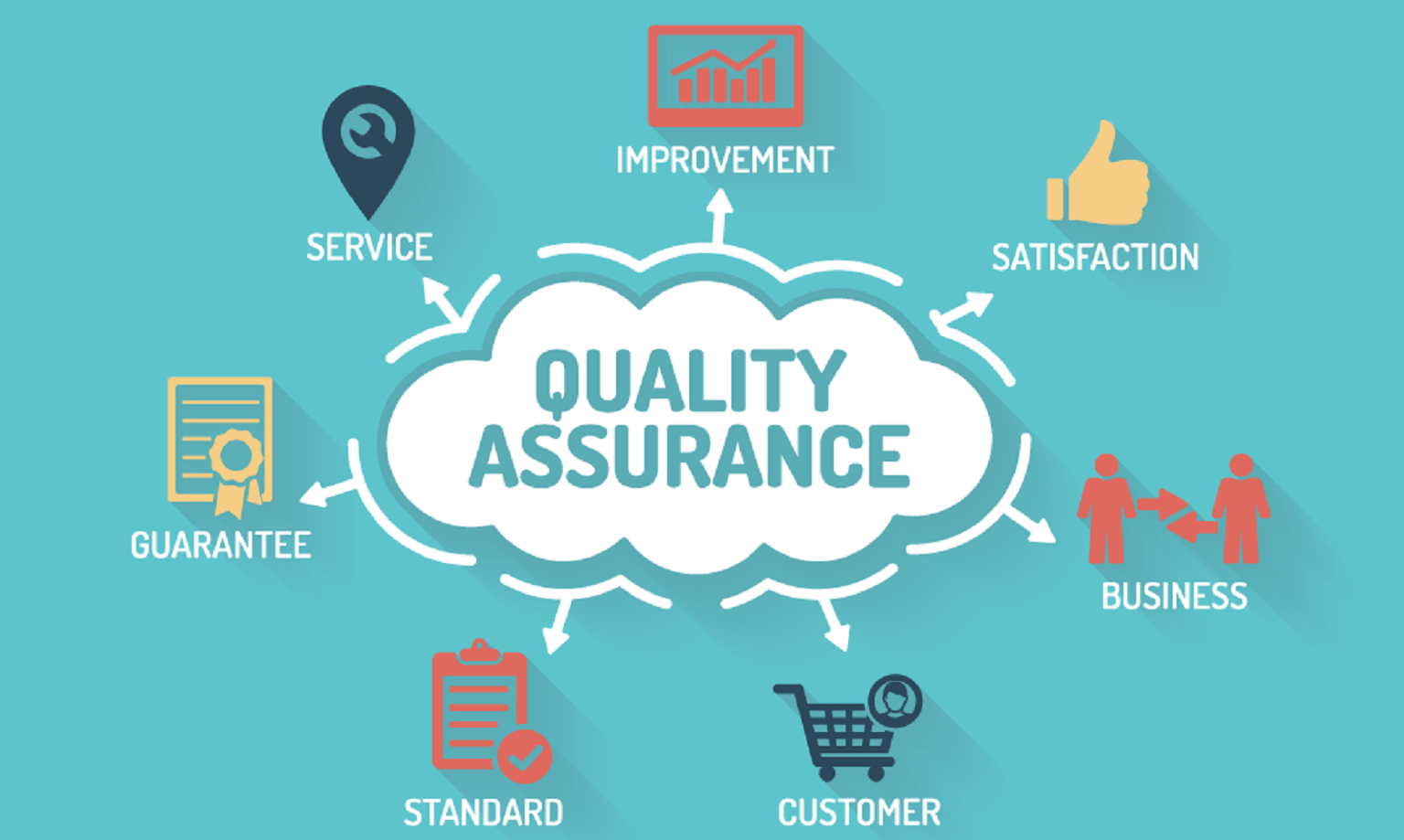
The manufacturer must implement a quality management system that ensures that the machinery is manufactured in accordance with the approved technical documentation and that the CE marking is applied correctly.

Final inspection
For machinery with a higher risk level, a final inspection may be required by a notified body to ensure that the machinery conforms to the type and that the CE marking is correctly applied.